
Filters
15 products
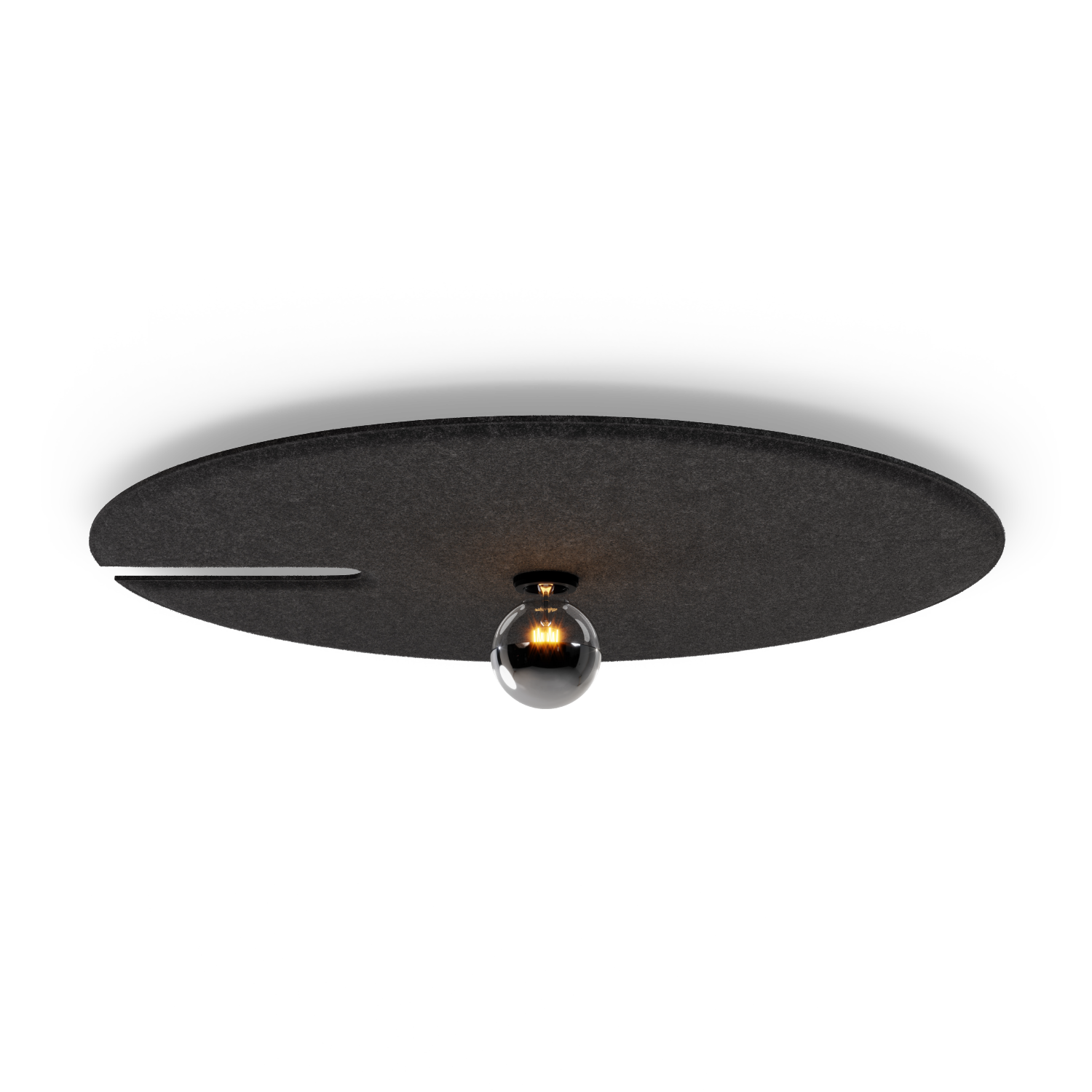
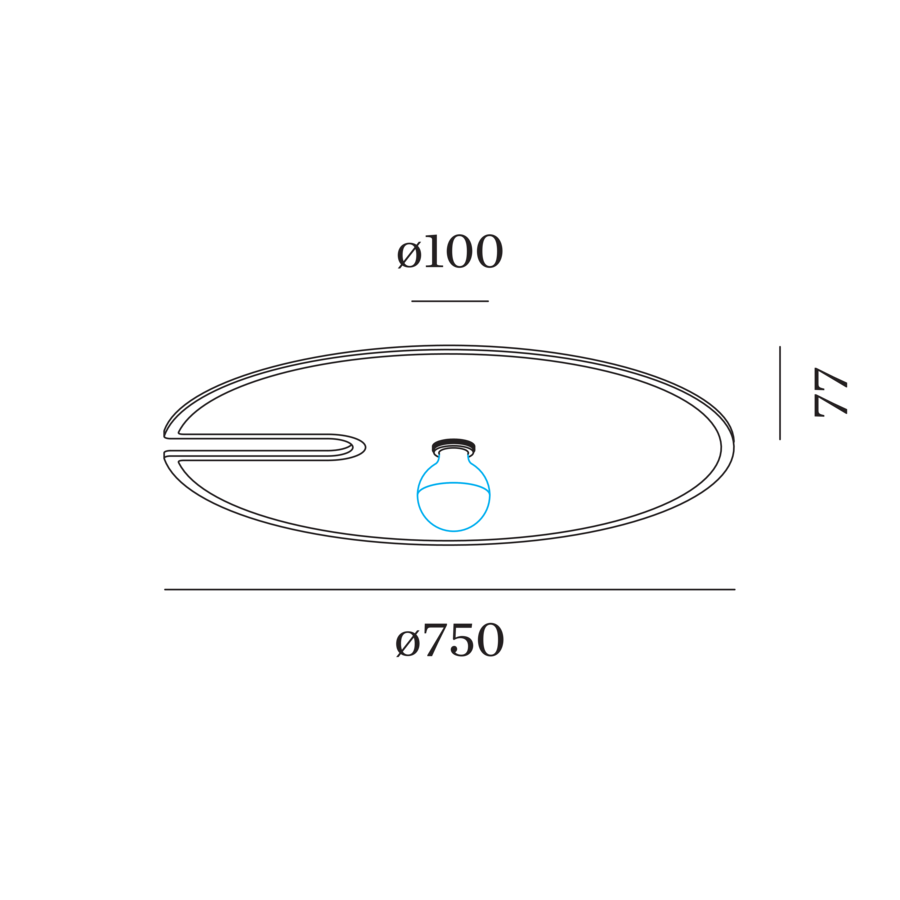

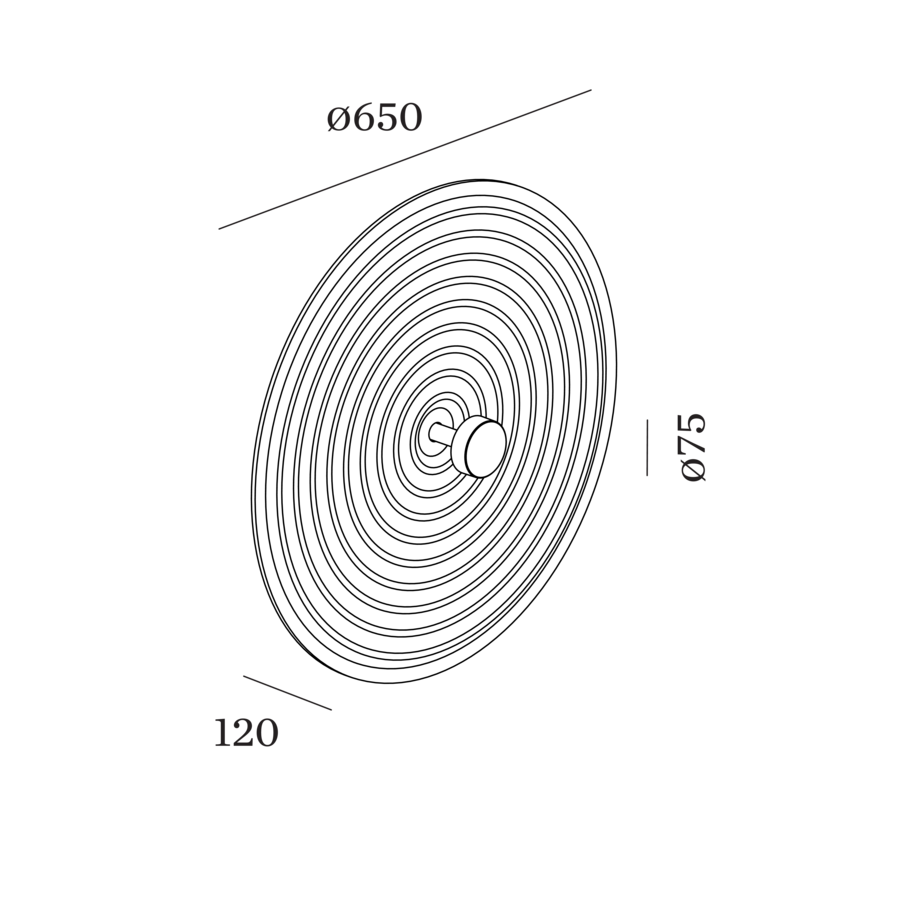
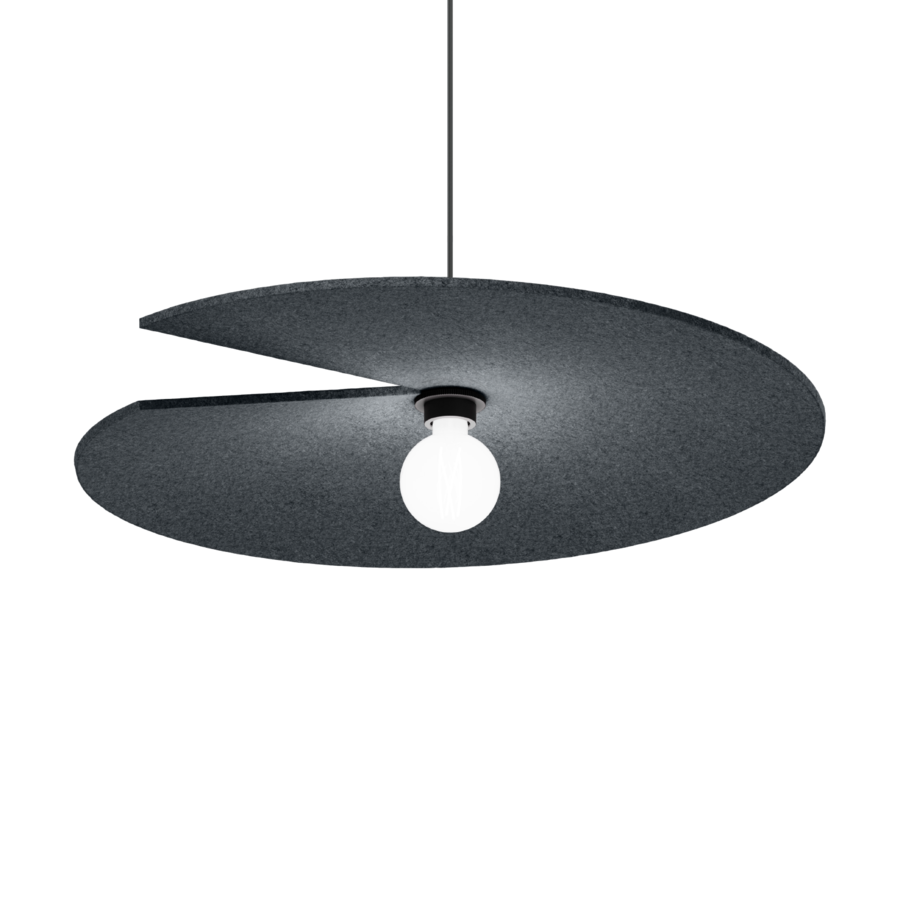
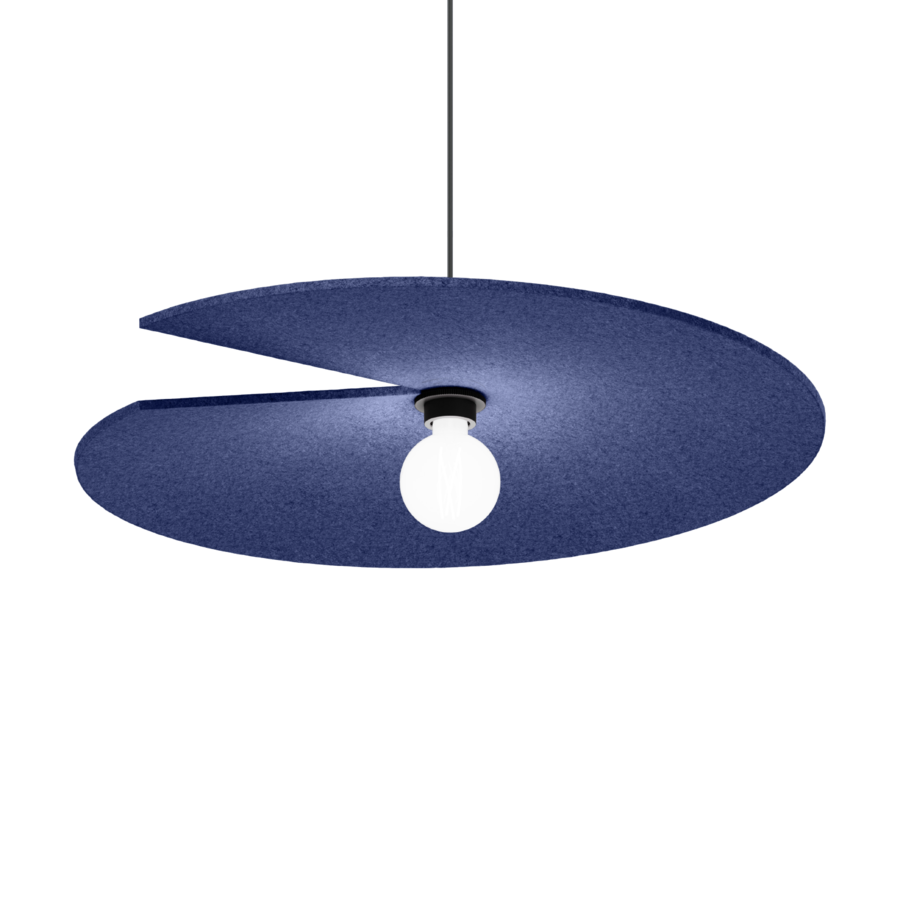
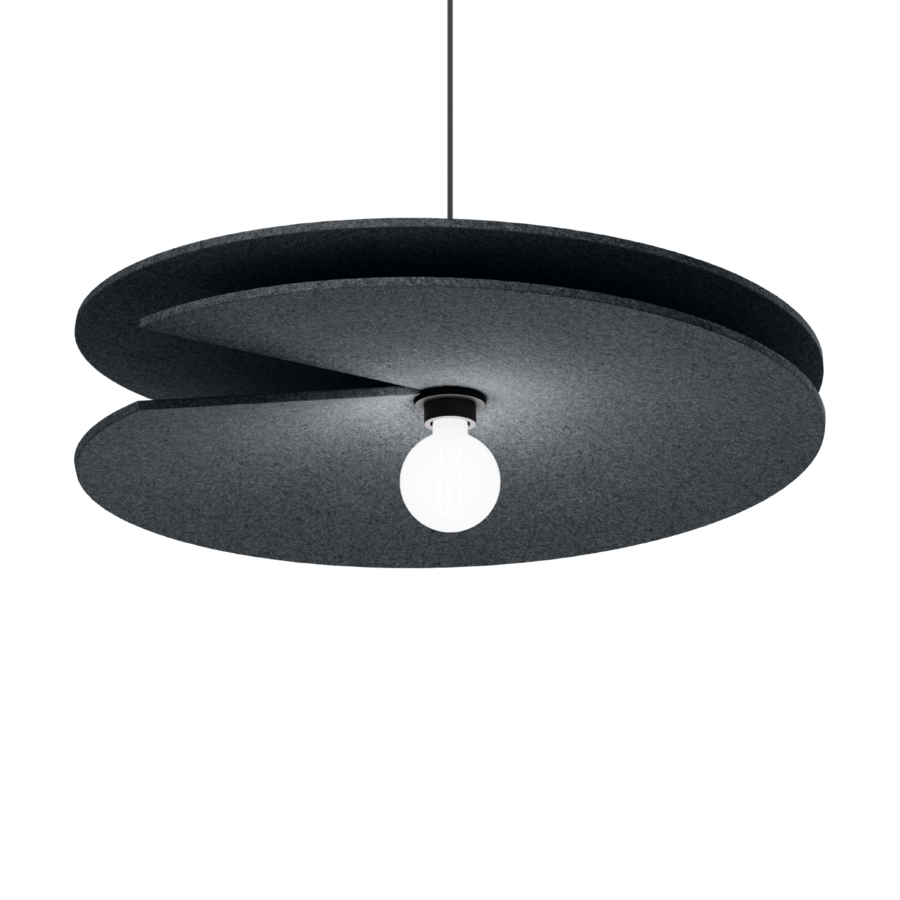
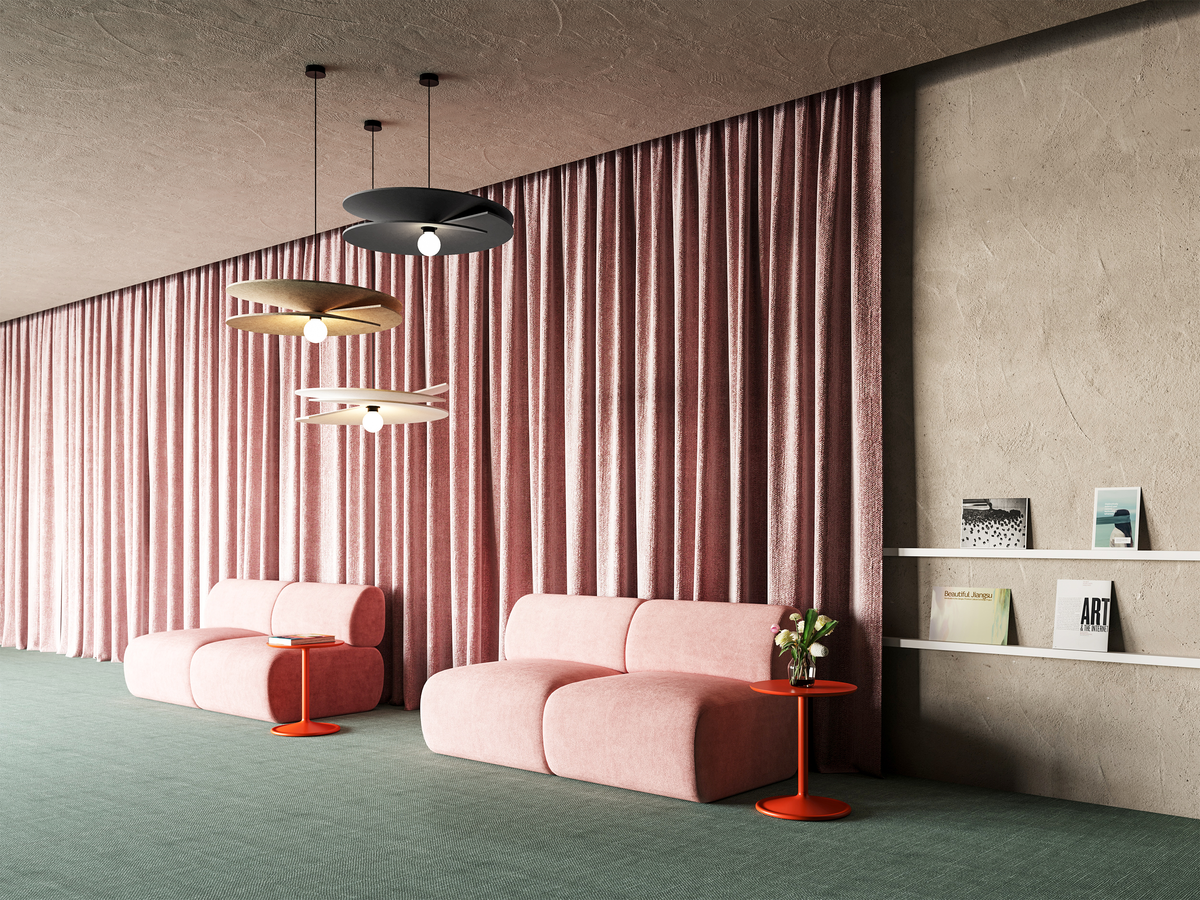
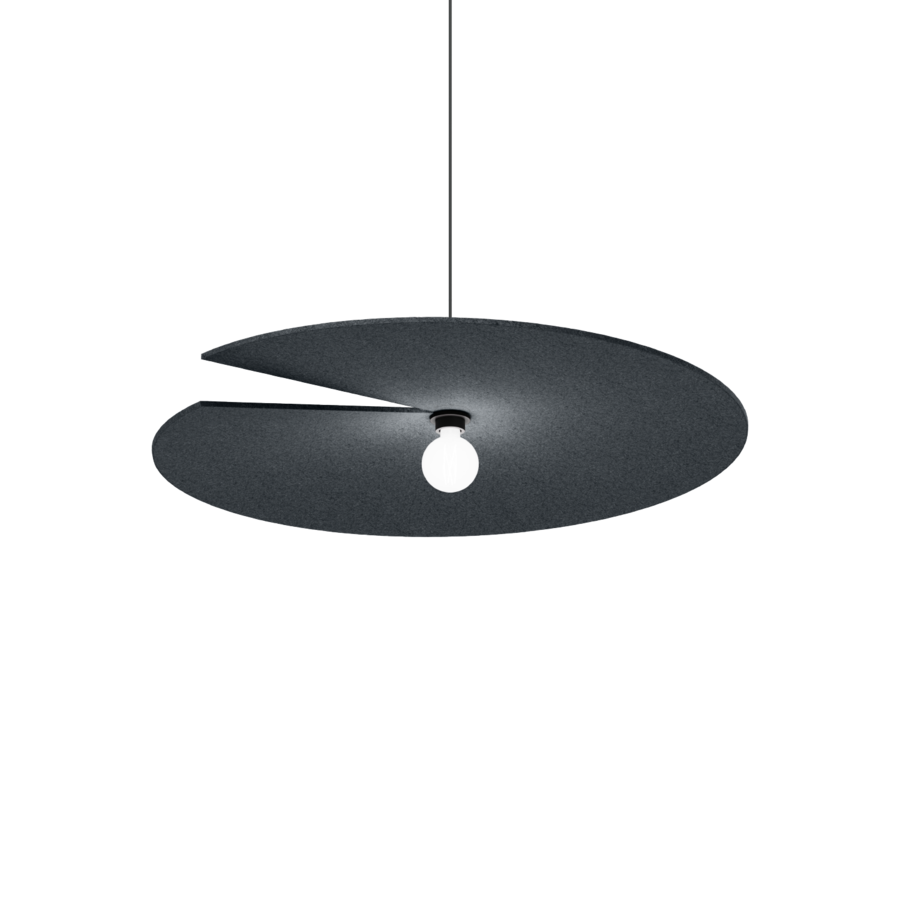
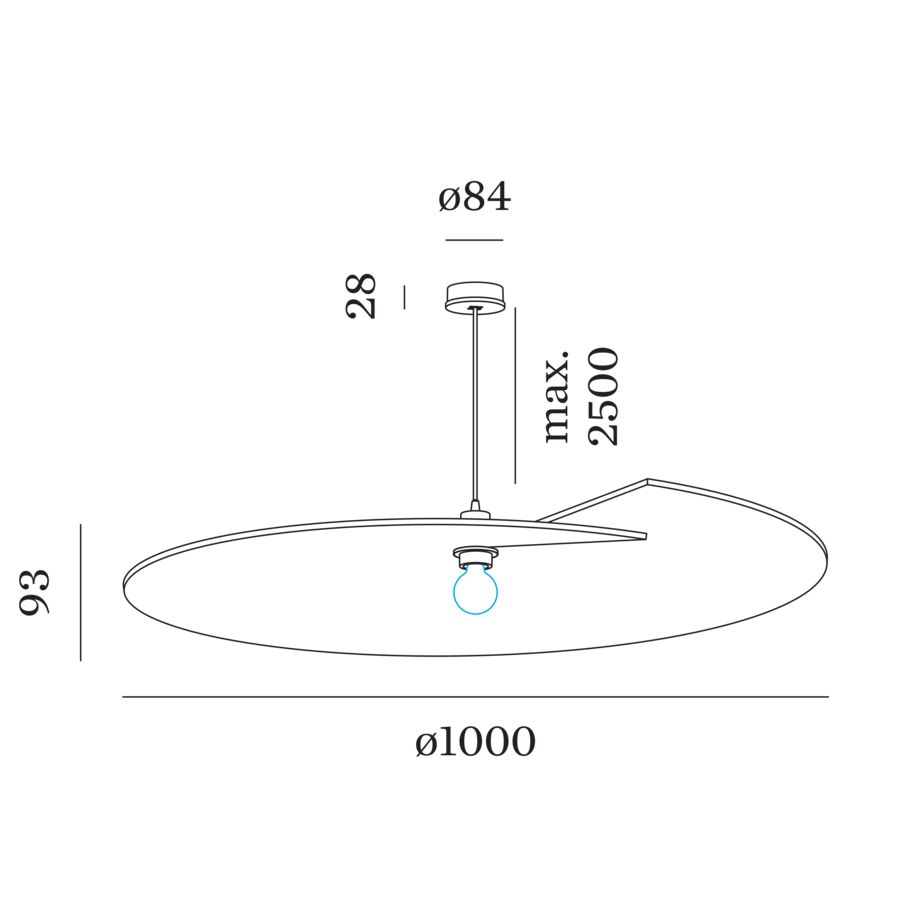
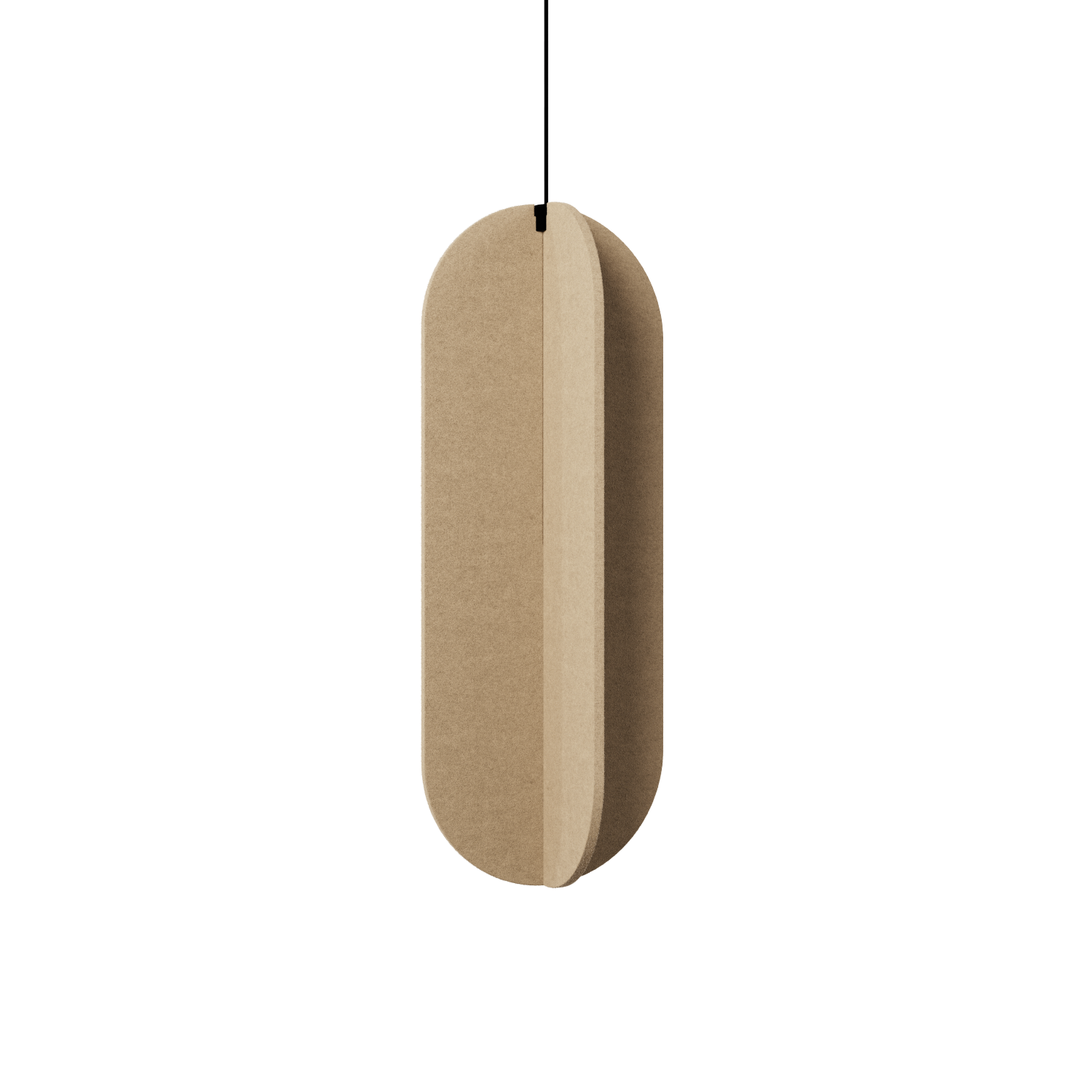
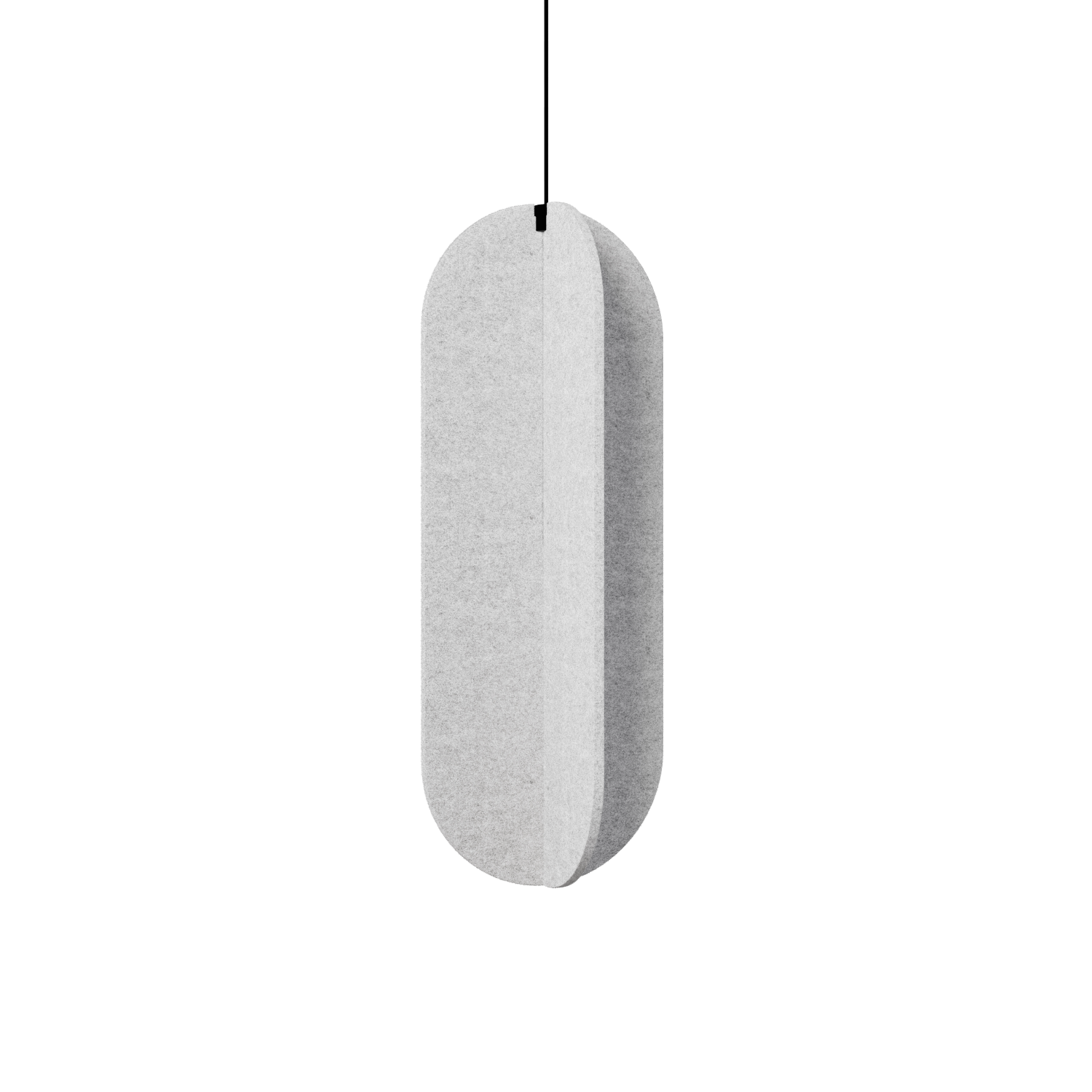

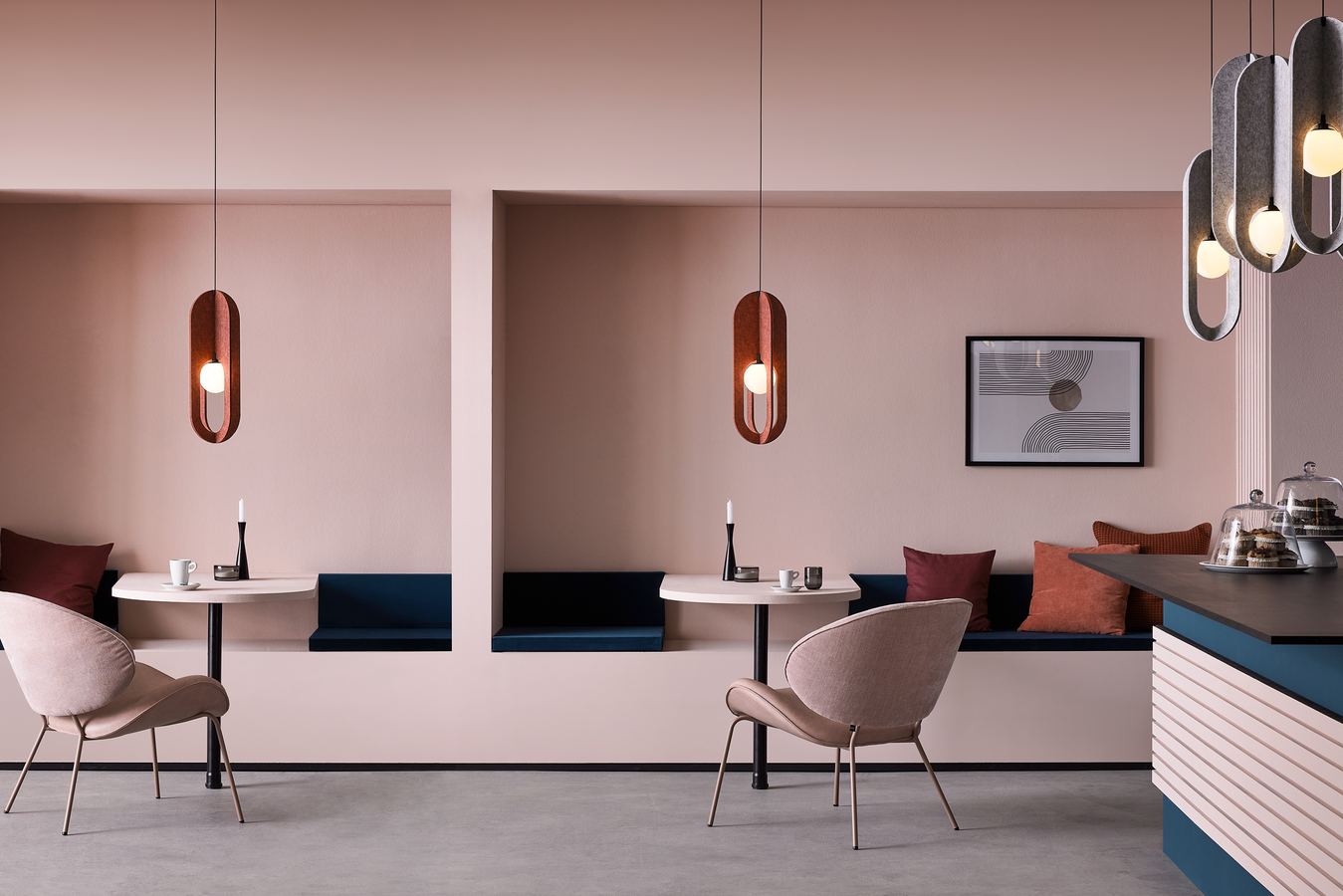
Acoustic lighting – quality light and more pleasant room acoustics
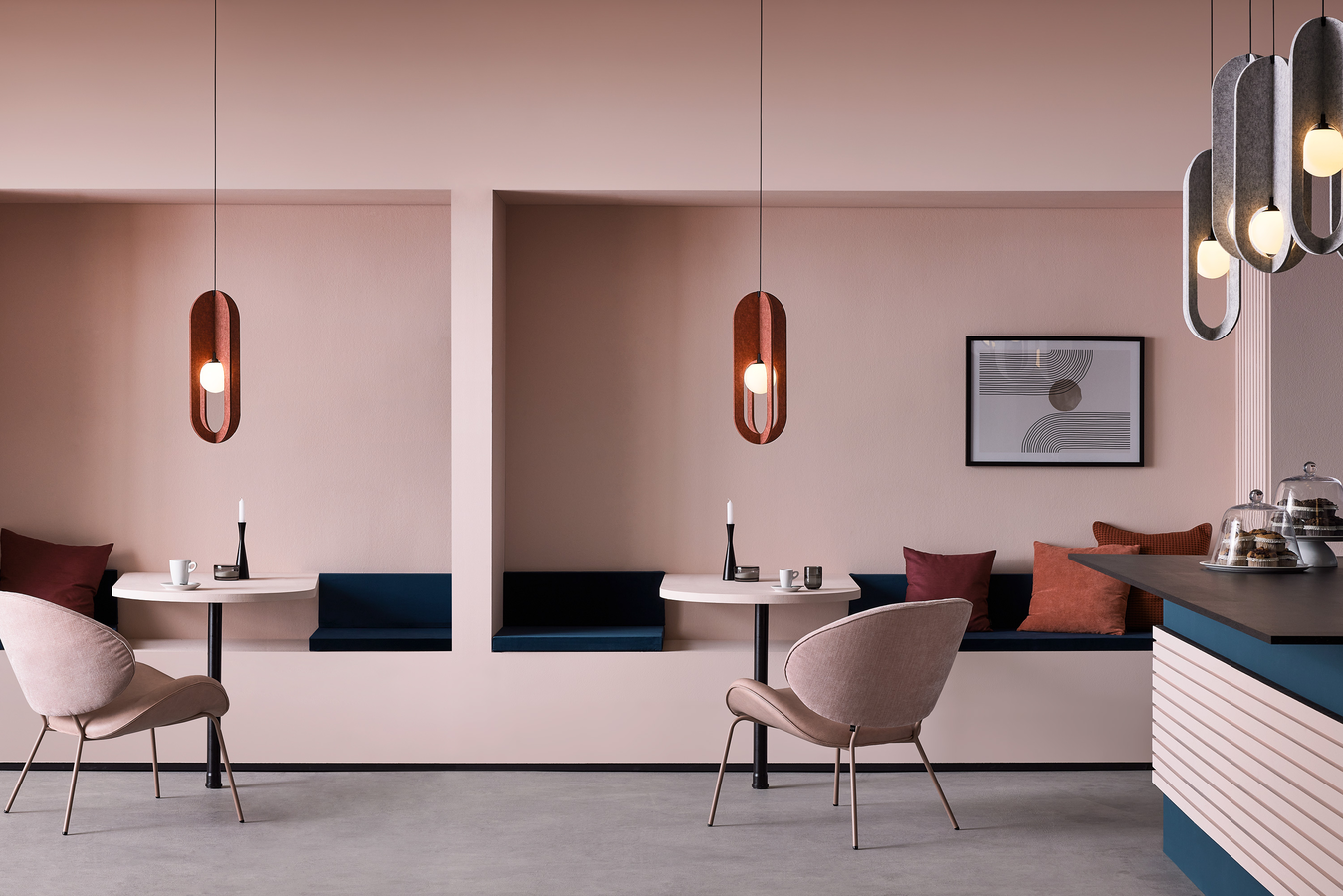
Acoustic lights combine high-quality illumination with sound-absorbing surfaces. They are especially useful where hard materials, open layouts or high ceilings create unwanted reverberation. Instead of treating lighting and acoustics separately, an acoustic lamp brings both functions together in one carefully designed object.
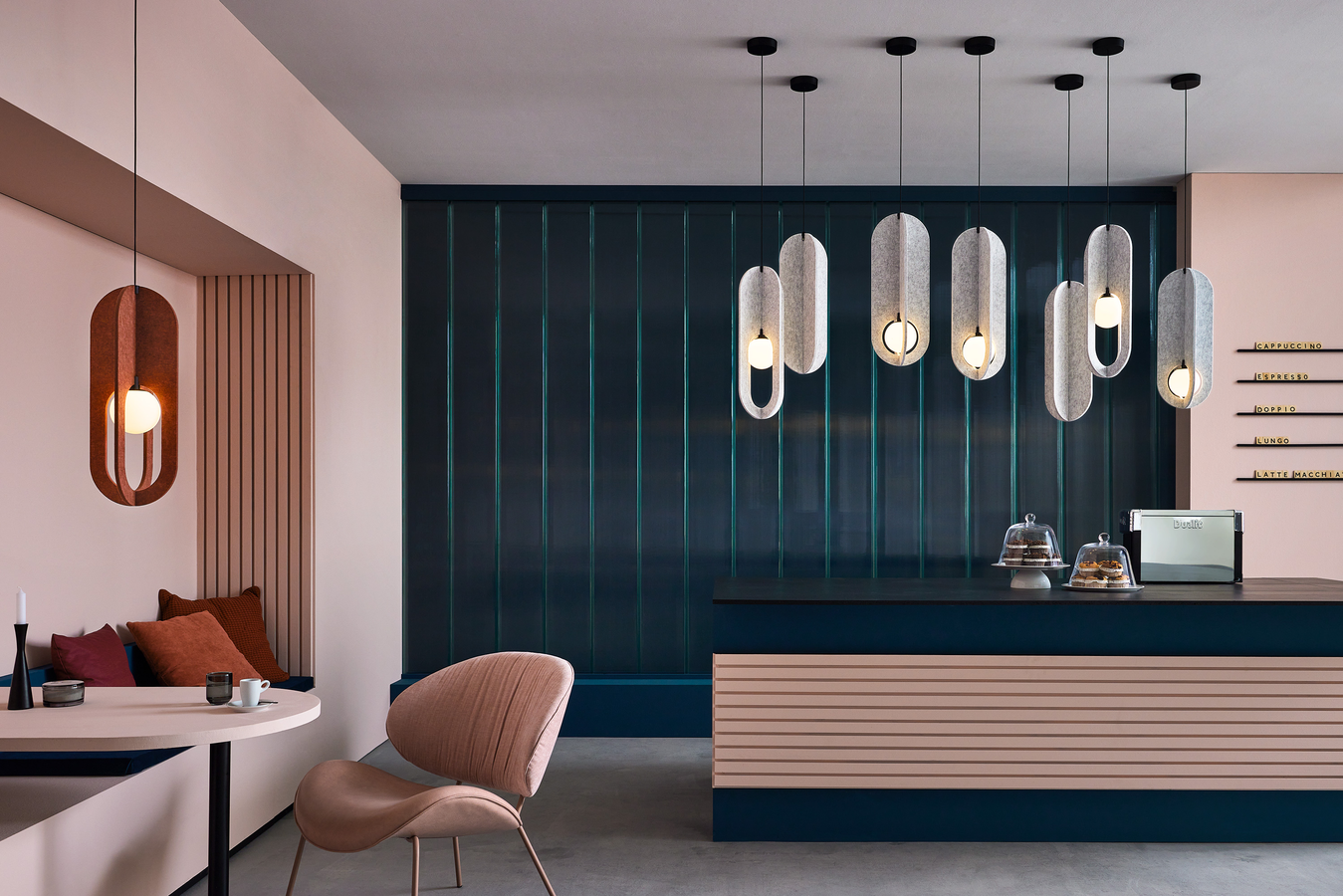
Our selection focuses on design-led solutions by Wever & Ducré, ranging from striking acoustic pendant lights to decorative wall and ceiling lights with felt surfaces. The result is an interior that can feel calmer and more comfortable while retaining a clear architectural character.
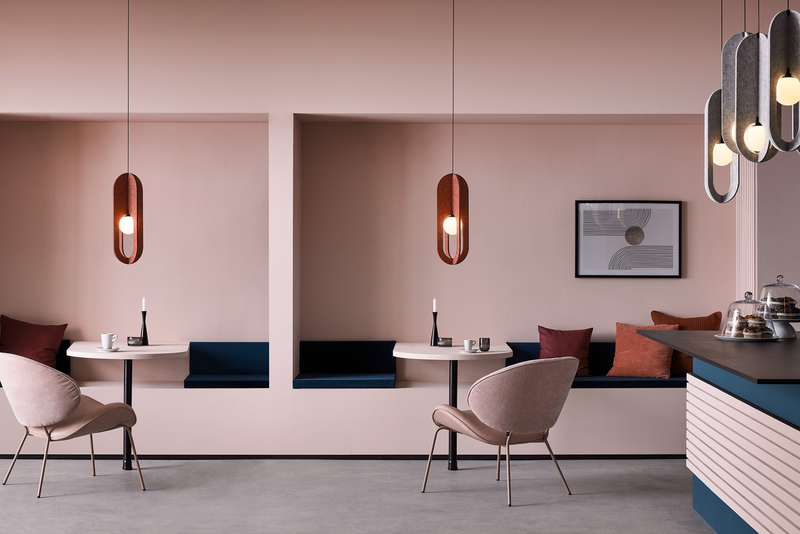
The benefits of acoustic lamps at a glance
- Less reverberation: Sound-absorbing surfaces can reduce reflections and make the room feel acoustically more comfortable.
- Light and acoustics combined: One luminaire performs two design functions without requiring a separate isolated solution.
- A refined interior: Felt, clean forms and carefully balanced light create a warm, architectural atmosphere.
- Versatile applications: Suitable for dining areas, living rooms, home offices, workplaces, meeting rooms, hospitality and contract spaces.
What is an acoustic light?
An acoustic light is a luminaire that incorporates sound-absorbing material into its design, most commonly felt or textile surfaces. These surfaces absorb part of the sound energy that reaches them and can therefore help reduce reverberation. This is particularly valuable in interiors with glass, concrete, tiles or large smooth surfaces.
An acoustic lamp is therefore not simply a technical special-purpose fitting, but a high-quality designer light with an additional acoustic function. The level of improvement depends on factors such as room size, furnishings, absorber area, positioning and the number of luminaires.
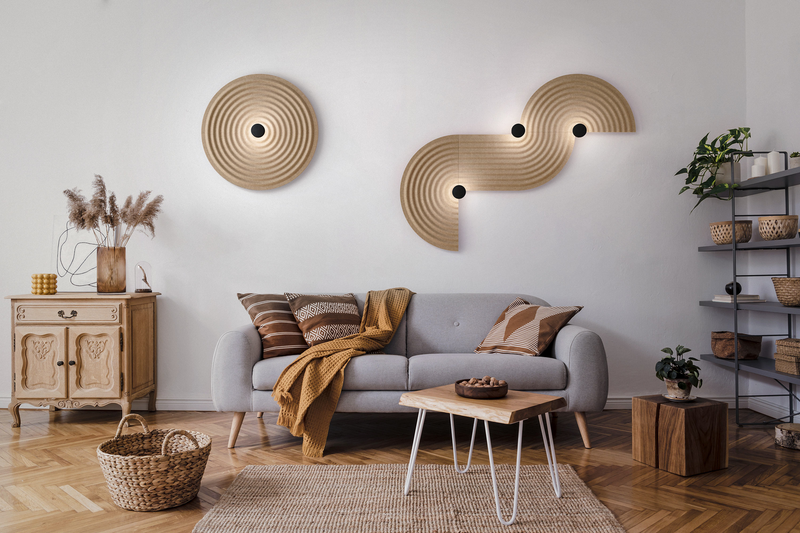
Acoustic pendant lights above tables, islands and workspaces
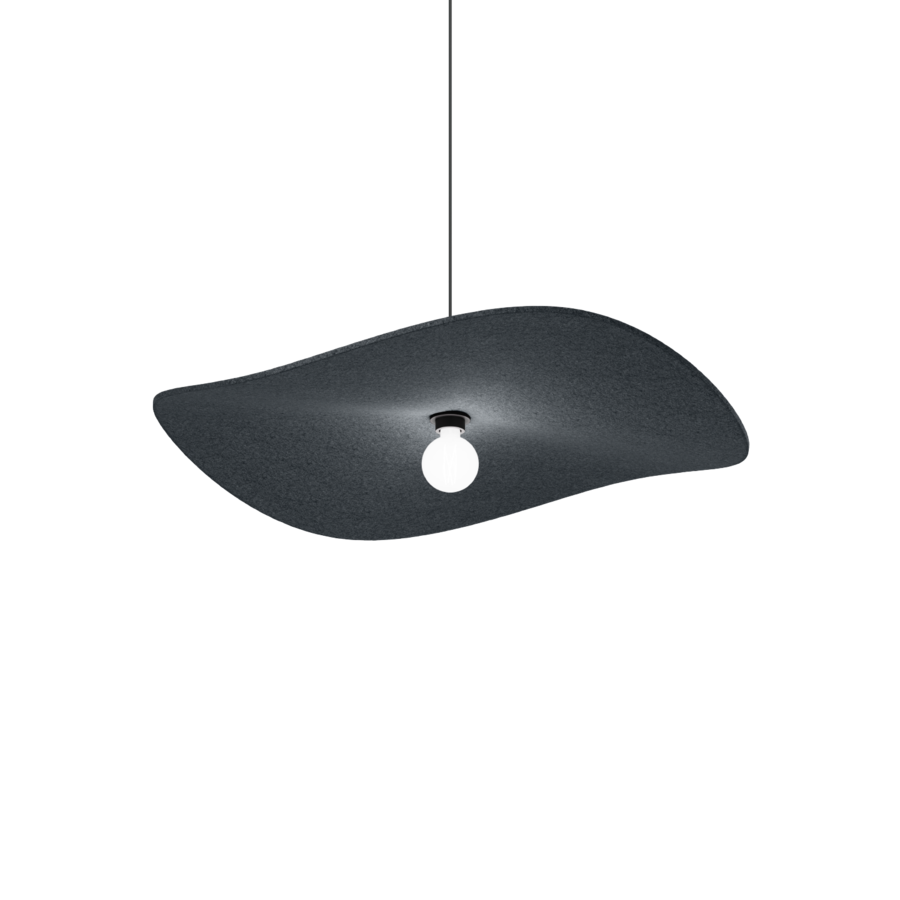
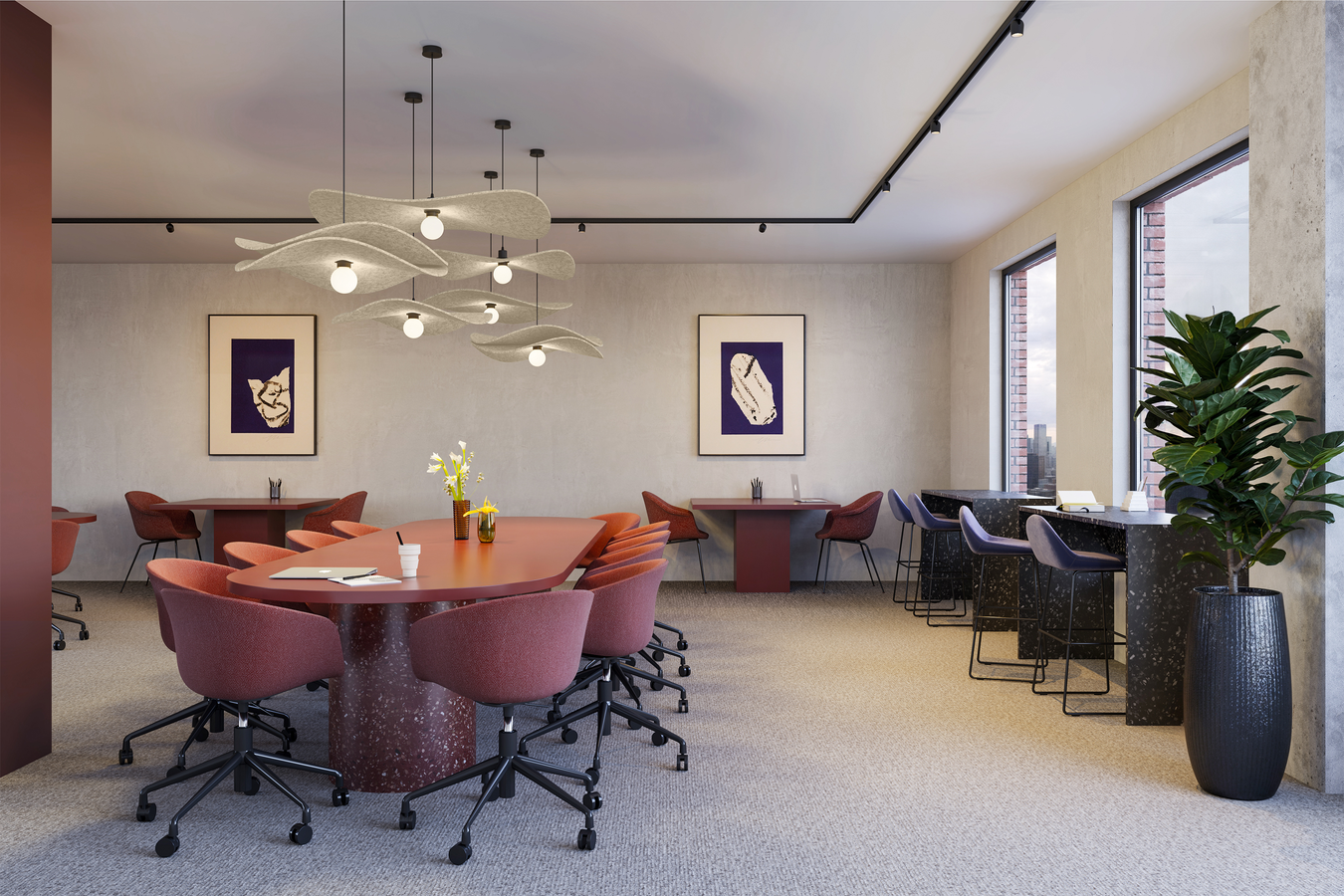
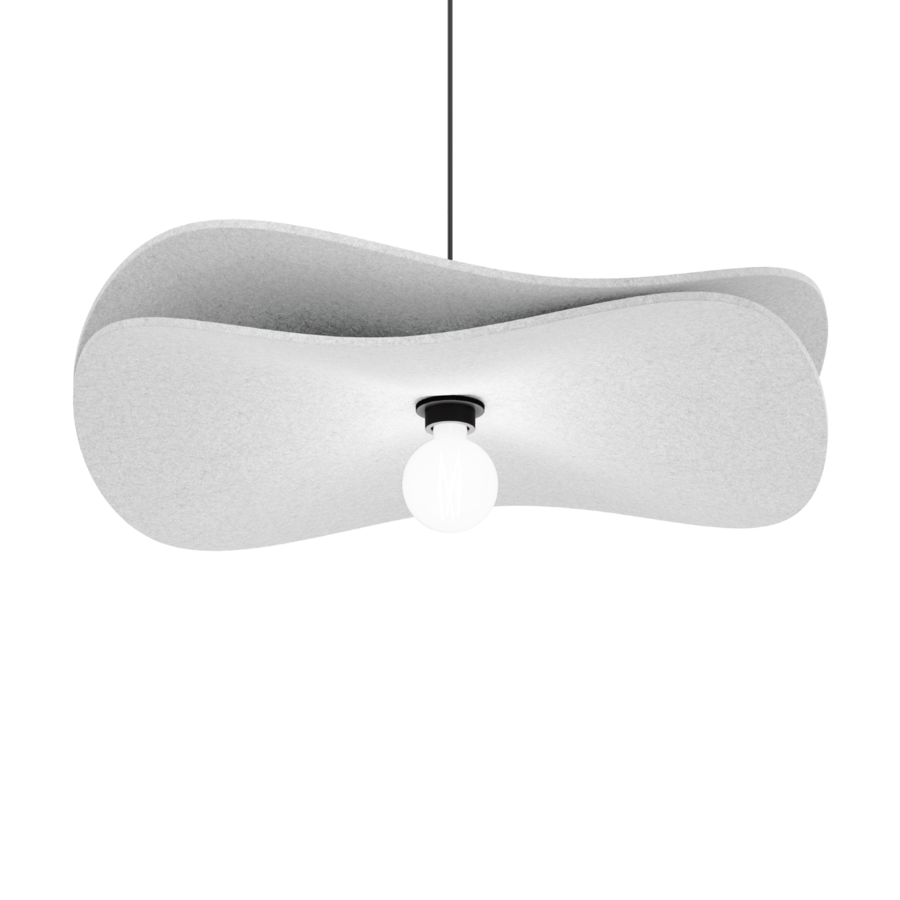
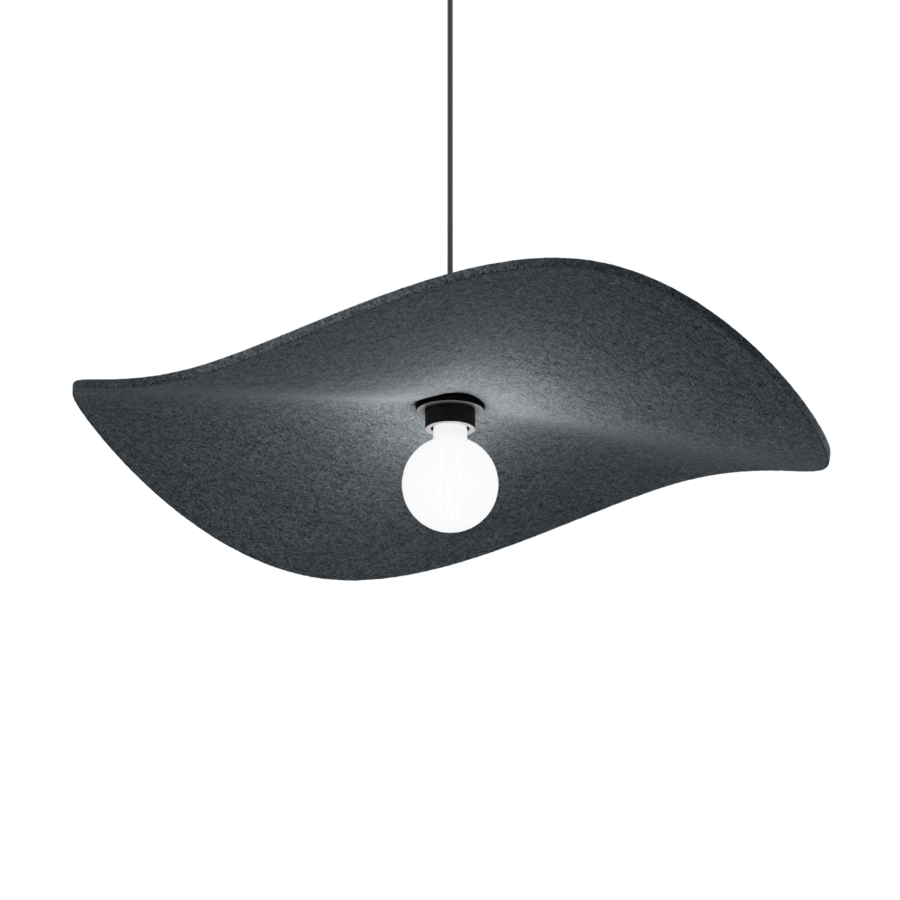
Acoustic pendant lights are ideal where light is needed directly above a dining table, kitchen island, conference table or workstation. Their suspended position places both the light and the sound-absorbing surface close to the area in use. This creates a clearly defined lighting zone and can contribute to a calmer acoustic environment.
The Wever & Ducré collections SOLLI COCOON, SPIRRA SOFT and WAVE SOFT interpret this principle in different ways: compact and sculptural, softly curved or generously linear. This allows the acoustic lighting to complement the architecture instead of looking like a functional element added afterwards.
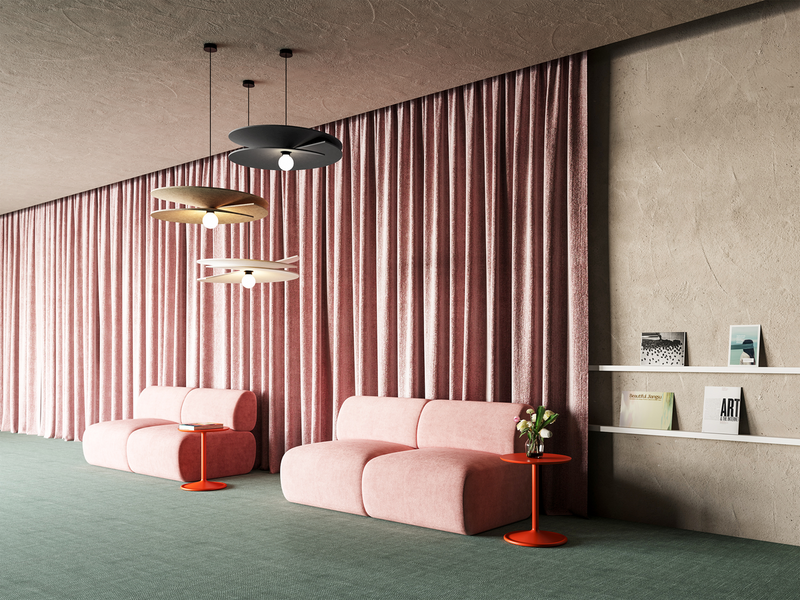
Acoustic wall lights and acoustic ceiling lights
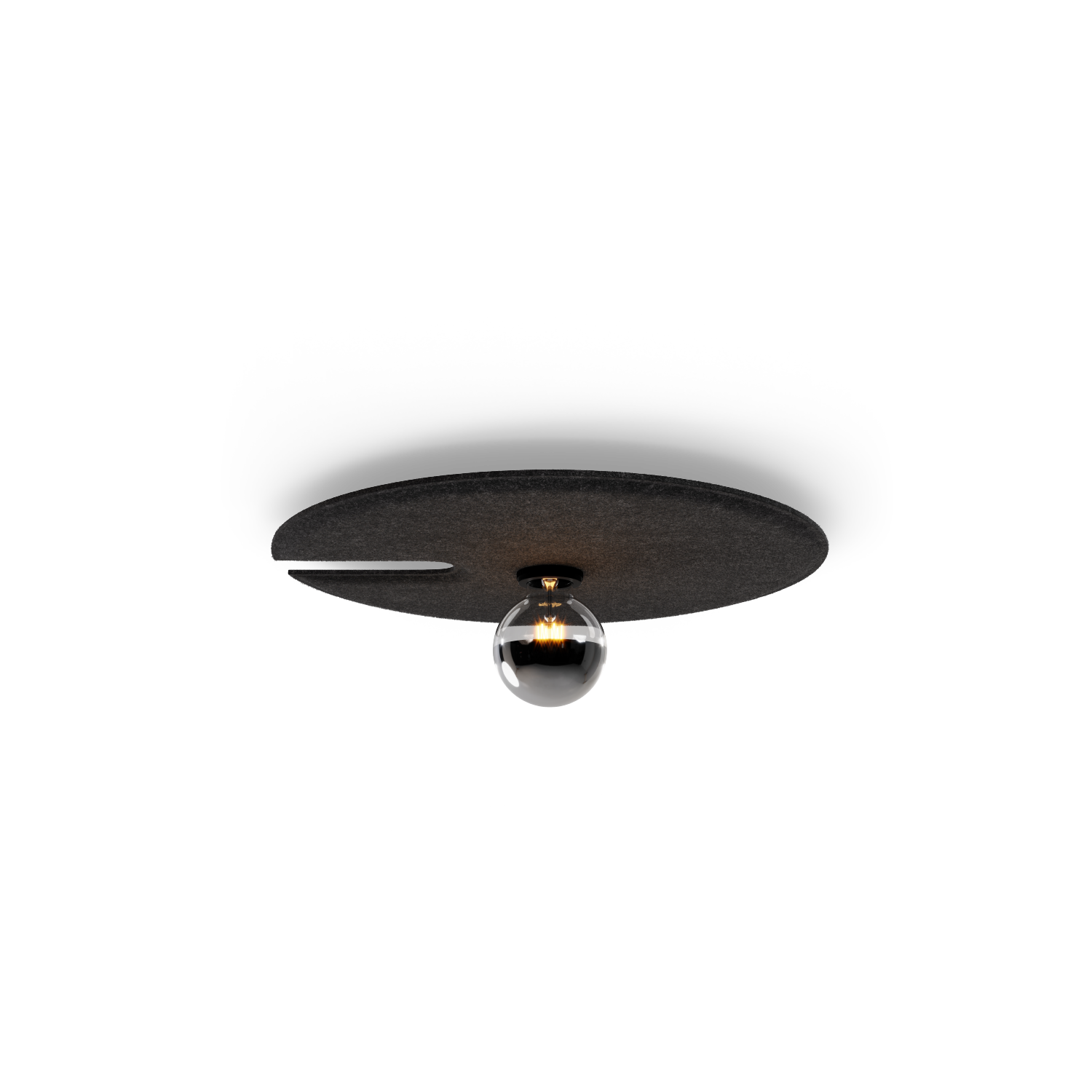
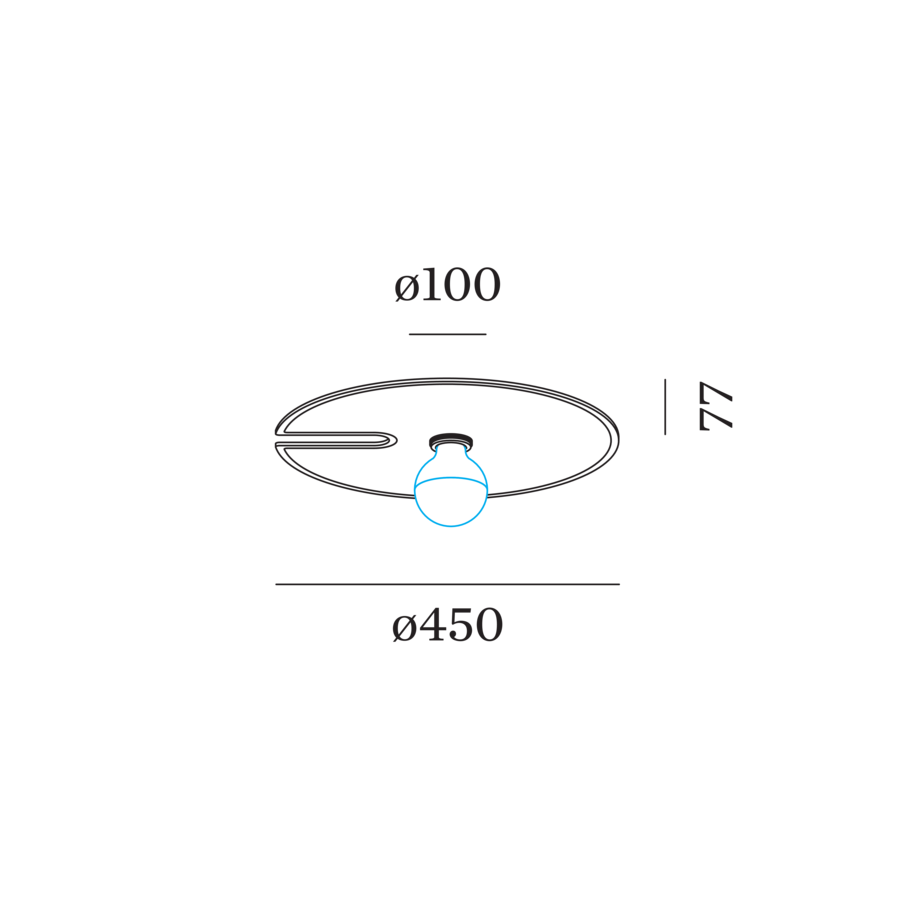
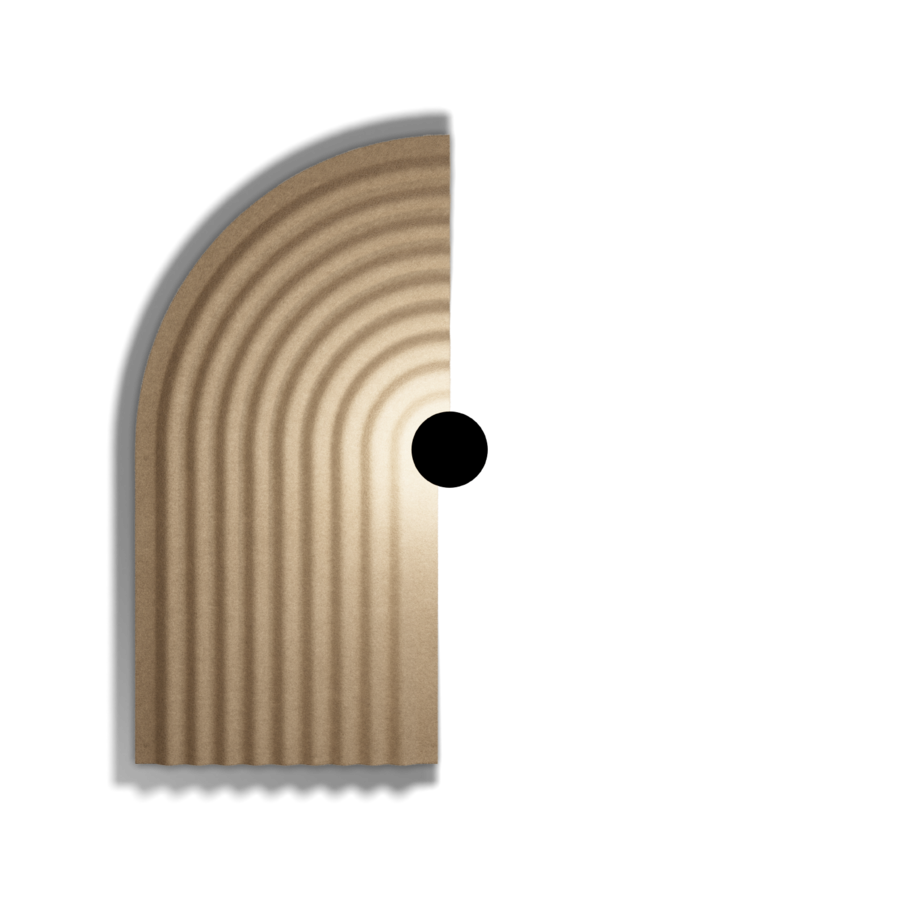
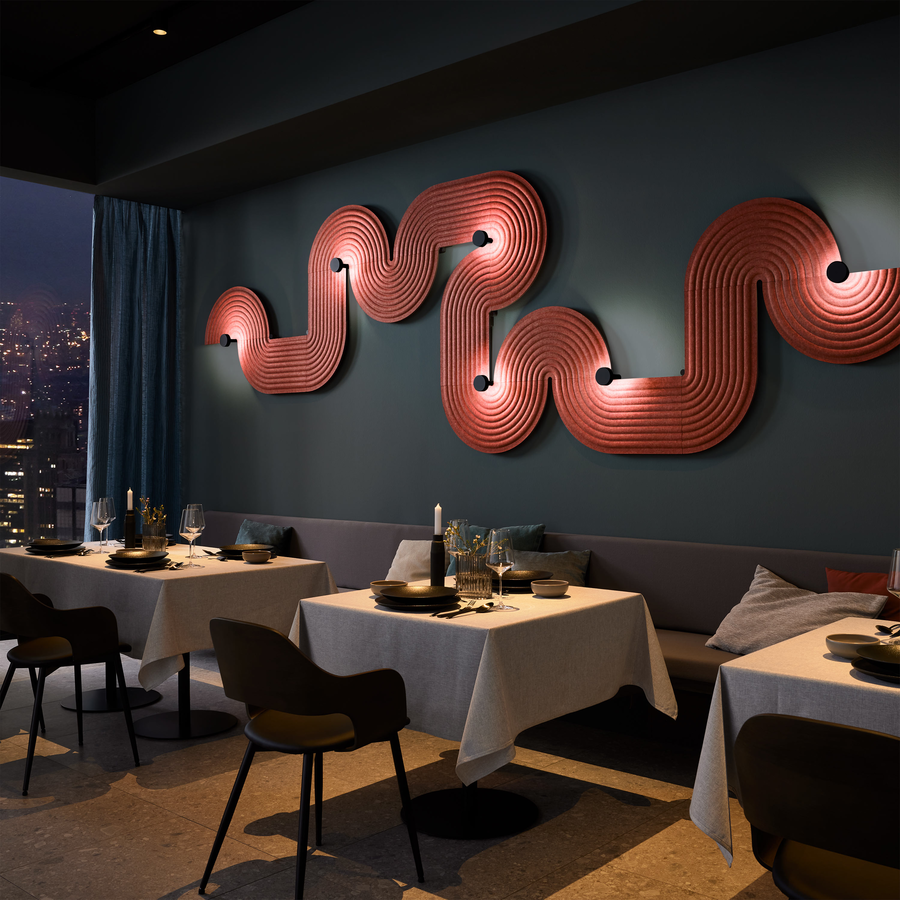
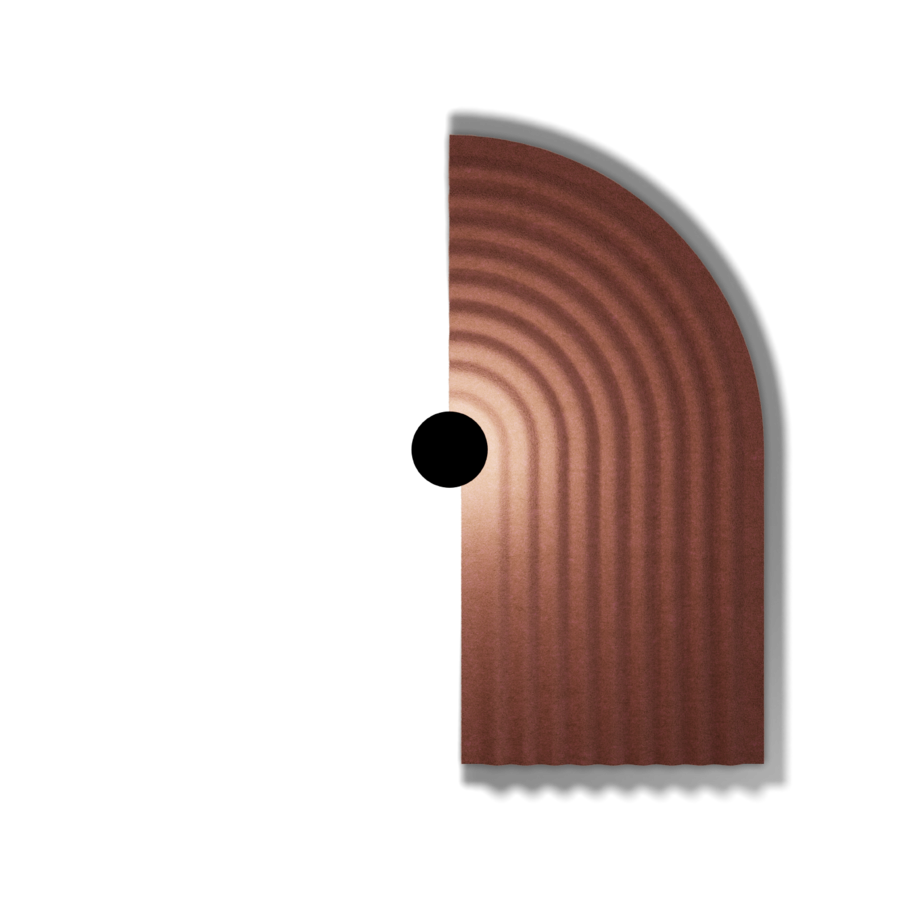
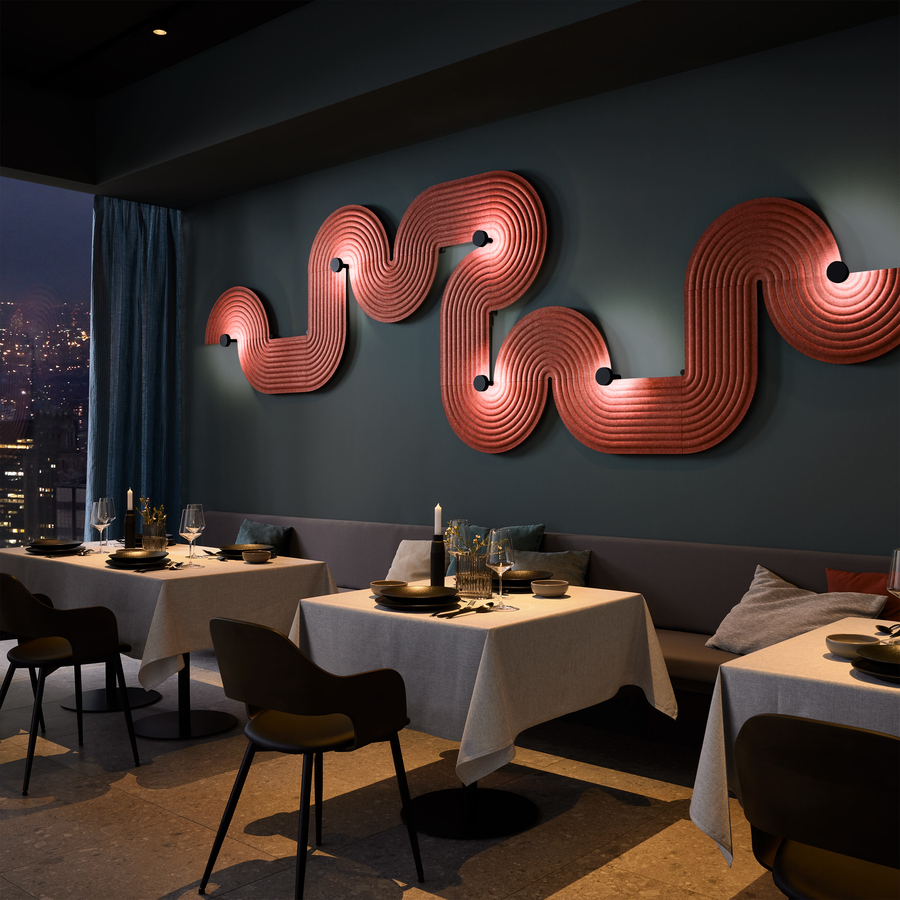
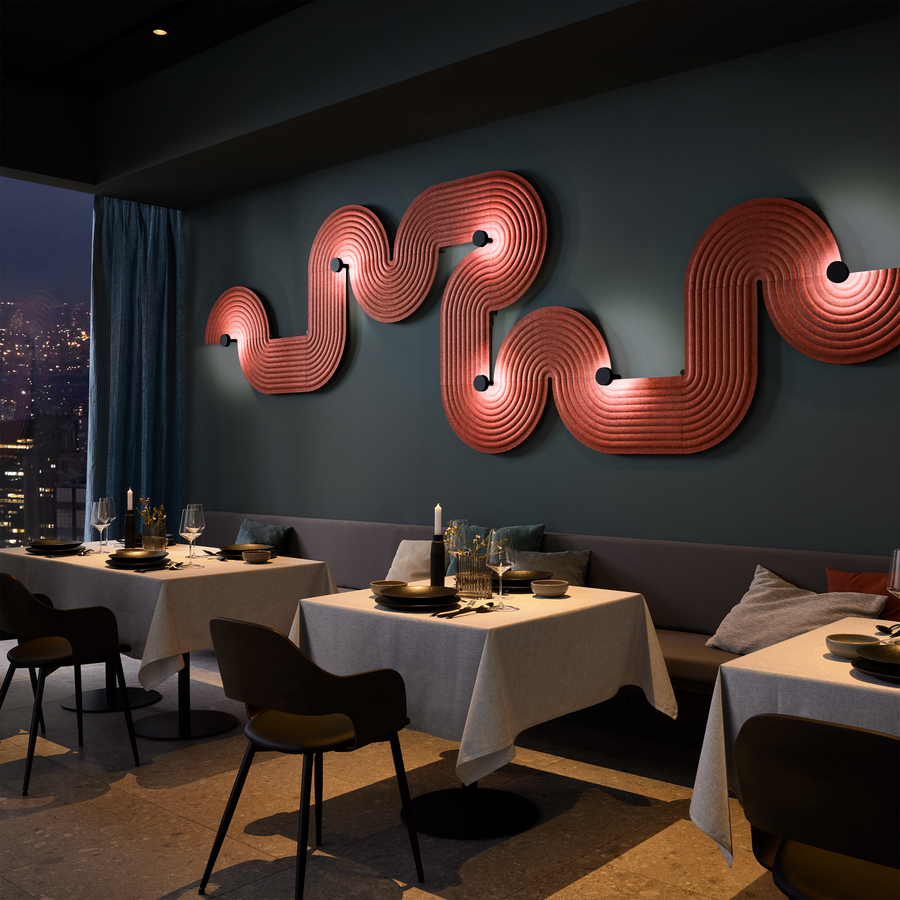
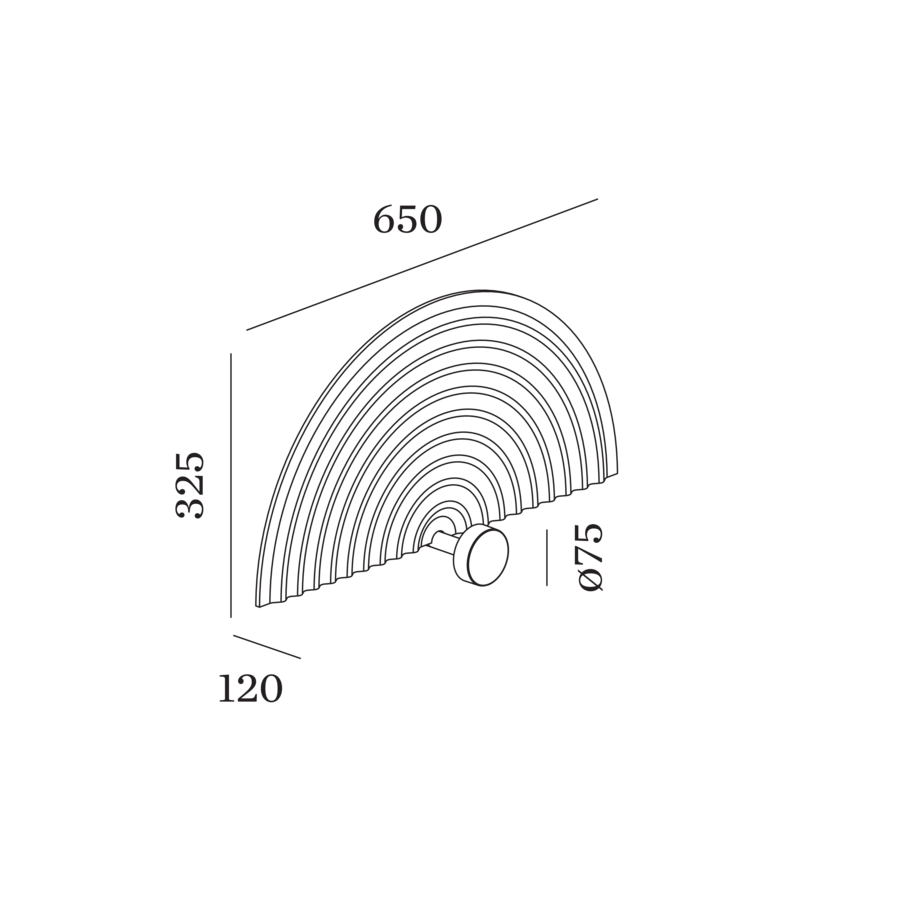
Not every room is suited to a pendant. Acoustic wall lights such as TAPIS SOFT or MIRRO SOFT use available wall space for both lighting and sound absorption while adding a decorative accent. They work especially well in living areas, corridors, lounges and meeting rooms where a calm, atmospheric effect is desired.
Acoustic ceiling lights are a good choice for lower rooms or where the luminaire should integrate discreetly into the ceiling. Wall and ceiling models can also complement pendants when the acoustically effective surface needs to be distributed throughout the room.
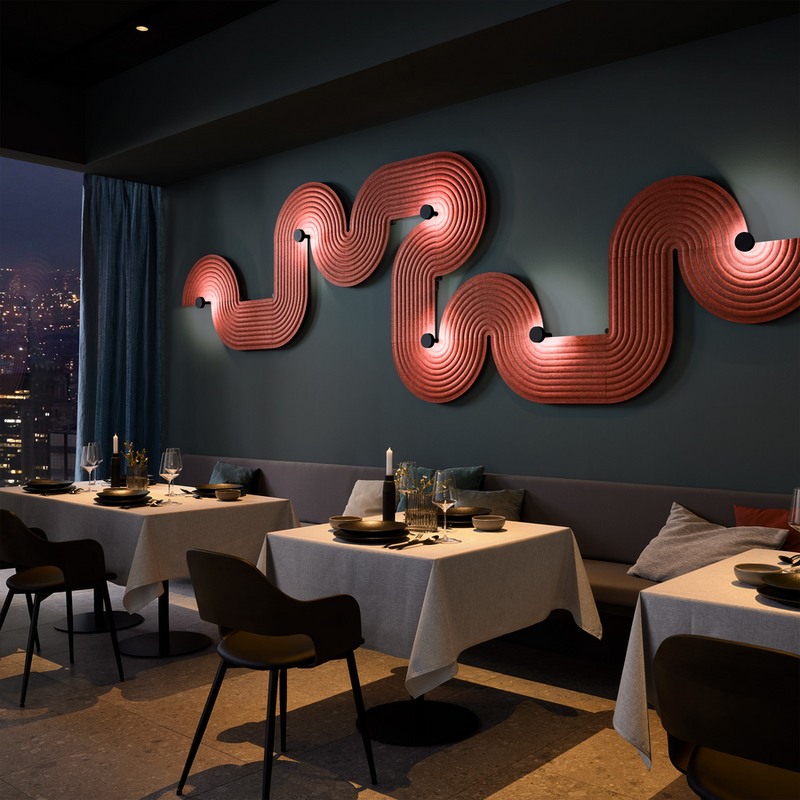
Which acoustic lamp suits which room?
A pendant is usually the best choice above tables and work areas because it visually defines and directly illuminates the zone. Ceiling lights often suit rooms with limited height, while wall lights are useful where free wall surfaces are available or an additional atmospheric effect is wanted.
Alongside the form, consider the size of the acoustically effective surface, the desired light distribution, mounting height and existing electrical connections. Larger or acoustically demanding spaces may benefit from several luminaires. An acoustic light can make a targeted improvement, but complex projects still require professional room-acoustic planning.
Frequently asked questions about acoustic lighting
How does an acoustic light work?
Sound-absorbing materials on the luminaire absorb part of the sound energy. This can reduce reflections and reverberation while the fitting illuminates the room.
Where are acoustic lamps most useful?
They are particularly useful in open-plan living and dining areas, offices, meeting rooms, restaurants and interiors with many hard surfaces.
Is one acoustic lamp enough?
That depends on the room size, reverberation, furnishings and absorber area. One light can help within a smaller zone, while larger spaces often need several elements or a more comprehensive acoustic concept.
Are acoustic lights only suitable for offices?
No. Above a dining table, in an open kitchen or in a high-ceilinged living room, they combine comfortable light with a functional acoustic surface.
Designer lighting for rooms that look and sound better
Acoustic lights by Wever & Ducré combine a clear design language with tangible practical value. They are a lasting choice wherever high-quality lighting and a more pleasant room environment should be considered together.
Let customers speak for us

Very nice and modern, and it also suits our house from 1936. The support was very nice and fast too.

Excellent quality product

passt sehr gut zu der Blumenlampe. Helligkeit ist sehr gut

Ultraschneller Versand. Gut verpackt. Alles einwandfrei. So macht online einkaufen Spass

Alles bestens gelaufen, guter Service!

Produkt wie beschrieben.

Produkt wie beschrieben.

Wir haben 3 Leuchten über der Theke in unserer Lounge angebracht. Die Leuchten wirken edel und elegant und geben - wie gewünscht - punktuell ein schönes Licht.
Vorherige telefonische Beratung war kompetent. Bestellung und Lieferung verliefen völlig problemlos. Klare Kaufempfehlung!

Passt alles.

Geht sehr leicht,funktioniert gut.

Funktioniert super.

Alles bestens!

Was für ein toller Service! Oft kauft man Strahler und muss danach mühsam nach den passenden Kabeln suchen. Nicht bei LINOX! Die Website hat perfekt mitgedacht: Ich konnte meine Gartensituation eingeben und bekam sofort das ideale Komplettpaket inklusive aller Kabel und Zubehörteile vorgeschlagen.
Ein belgisches Spitzenprodukt, bestellt in Deutschland, das superschnell in die Niederlande geliefert wurde. Dieser Webshop beweist, wie unkompliziert und grenzenlos Online-Shopping sein kann. Eine absolute Empfehlung für jeden, der Komfort und Qualität sucht! ⭐⭐⭐⭐

Artikel wie beschrieben
Top Service