
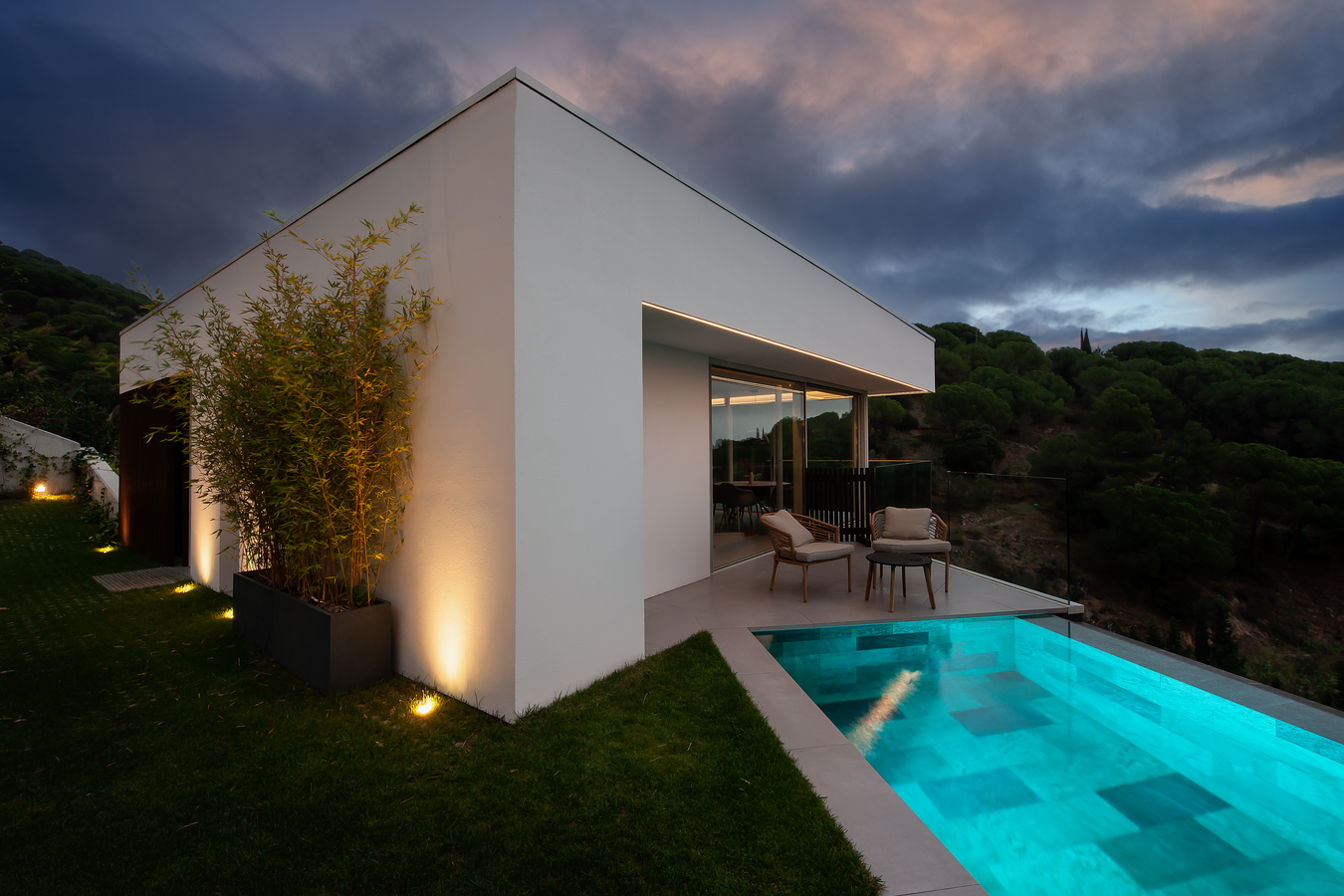


2700 Kelvin or 3000 Kelvin? On paper, the difference is only 300 Kelvin. In a room, however, it can be clearly noticeable: 2700 K feels warmer and more homely, while 3000 K appears a little clearer and more neutral. In modern architecture, the “more modern” colour temperature is therefore not automatically the better choice.
What matters is how the room is used, which materials dominate and what atmosphere the lighting should create in the evening. In this guide, we explain when 2700 K makes sense, when 3000 K is the better fit – and why Dim to Warm can be the most flexible solution for some living spaces.
2700 K vs. 3000 K: what is the visible difference?
| Light colour | Effect | Typical applications |
|---|---|---|
| 2700 K | warm, calm, homely | living room, bedroom, dining area, lounge |
| 3000 K | clearer, fresher, slightly more neutral | kitchen, hallway, bathroom, open-plan kitchen-living areas, very minimalist interiors |
| Dim to Warm | clearer at higher brightness, warmer as it is dimmed | rooms that need to feel functional by day and cosy in the evening |
Important: both colour temperatures are considered warm white. 3000 K is therefore not “cold” light. Compared directly with 2700 K, however, it looks noticeably more neutral.

When we prefer 2700 Kelvin in modern living spaces
For a classic living room, we would usually lean towards 2700 Kelvin. Not because modern interiors need especially warm light, but because living rooms are often used most in the evening. At that time of day, 2700 K feels calmer and supports a more relaxed atmosphere.
2700 K works particularly well with:
- wood, oak and other warm natural materials
- beige, sand and earthy tones
- warm natural stone
- textiles and soft residential surfaces
- indirect lighting and wall lighting
- living rooms and dining areas mainly used in the evening
Even a very minimalist room with white walls, black furniture and clean lines can look premium and modern in 2700 K. Warm white does not automatically mean traditional or old-fashioned.

When 3000 Kelvin can be the better choice
3000 Kelvin feels a little clearer and can make a room appear visually fresher. This is especially useful where living and functional areas overlap.
Typical examples include:
- open-plan kitchen-living areas
- modern kitchens with work surfaces
- hallways and staircases
- bathrooms
- interiors with concrete, white, grey, black or stainless steel
- very reduced, minimalist architecture
In an open-plan kitchen, 3000 K can be a good compromise: the light is clear enough around worktops without moving into neutral-white territory.
For a pure living room, however, we would not automatically choose 3000 K. If you often dim the lights in the evening and want a particularly relaxed atmosphere, 2700 K is usually the better fit.
Materials matter more than many people think
The same colour temperature can look completely different in two rooms. Wall colours, flooring, furniture and surface finishes all influence the final impression.
2700 K tends to support warm materials such as wood, beige and natural tones. 3000 K, on the other hand, can look very precise with concrete, pale stone, white, grey or black details.
But this is not a fixed rule. The overall composition matters: 2700 K can deliberately soften a modern concrete interior, while 3000 K can make a wood-heavy room feel cleaner and more architectural.

Can you combine 2700 K in the living room with 3000 K in the kitchen?
Yes, especially when the areas are clearly separated. In an open-plan kitchen-living space, however, some care is needed.
If 2700 K and 3000 K are visible in the same field of view, the difference can stand out more than expected. Our recommendation is therefore: within one continuous lighting zone, stay with one colour temperature wherever possible.
A deliberate contrast can still work, for example 3000 K as functional light above the kitchen worktop and 2700 K as pendant or accent lighting in the dining area. In that case, the different light effects should be part of the concept rather than an accidental mix.
Dim to Warm: functional light and evening atmosphere in one fitting
If you do not want to choose permanently between 2700 K and 3000 K, it is worth looking at Dim to Warm.
With a standard dimmable LED, only the brightness changes when the light is dimmed. The colour temperature remains fixed at, for example, 2700 K or 3000 K.
With Dim to Warm, however, the colour temperature changes together with the brightness. At higher output the light appears clearer; as it is dimmed, it becomes progressively warmer. This behaviour is closer to that of traditional incandescent and halogen lamps.
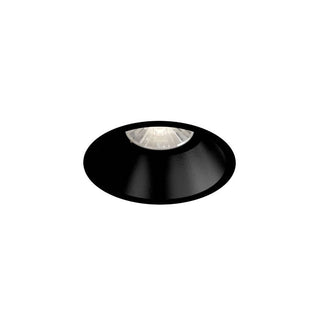
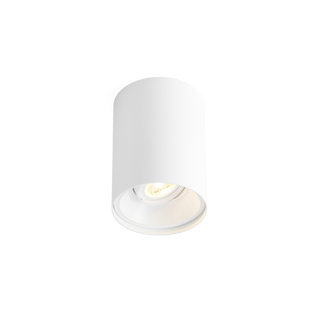
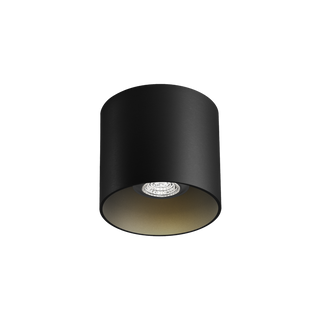
Example: the Wever & Ducré SOLID 1.0 LED is available in a Dim-to-Warm version with approximately 2000–3000 K. Depending on the version, the BOX 2.0 LED also offers Colour Warm Dimming. This allows the same room to feel clearer at higher brightness and much warmer later in the evening.
This is particularly attractive in living rooms, open-plan living-dining areas and bedrooms: at higher brightness the lighting remains functional, while dimming creates a distinctly cosier evening atmosphere.
Important: Dim to Warm is not the same as Tunable White. With Dim to Warm, colour temperature is linked to the dimming level. You cannot independently choose brightness and Kelvin value. If you want to switch freely between 2700 K and 3000 K at full brightness, you need a different lighting-control system.

Our recommendation by room
| Room | Often suitable colour temperature | Why? |
|---|---|---|
| Living room | 2700 K / Dim to Warm | comfortable and pleasant in the evening |
| Dining area | 2700 K | warm atmosphere and pleasant light at the table |
| Open-plan kitchen-living area | 2700–3000 K / Dim to Warm | depends on whether atmosphere or function takes priority |
| Kitchen | 3000 K | clearer and more functional |
| Bedroom | 2700 K / Dim to Warm | calm, relaxing light |
| Hallway / bathroom | 3000 K | slightly clearer room impression |
2700 or 3000 Kelvin – what would we choose?
For a pure modern living space, 2700 K is usually the safer choice in our view. The light still feels premium and architectural, but is more comfortable and relaxing in the evening.
We would choose 3000 K when the room is intended to feel deliberately clearer, when functional zones are integrated, or when materials such as concrete, white and grey dominate.
And if a room should feel bright and clear during the day but significantly warmer in the evening, Dim to Warm is often the most convincing solution – provided the fitting and dimmer are compatible.
For more inspiration for modern living spaces, see our living-room lighting. If you first want to understand the basics of colour temperature, read our guide “What does light colour or Kelvin mean?”.


Leave a comment
This site is protected by hCaptcha and the hCaptcha Privacy Policy and Terms of Service apply.